Minnequa Steel Works: How Pueblo, Colorado Became the “Pittsburgh of the West”
Pueblo, Colorado is far from the industrial heartland of the United States, but long ago it earned a nickname that connected the two: the Pittsburgh of the West.
At the center of that legacy is a steel company once controlled by John D. Rockefeller, and whose labor policies would later be shaped by one of the deadliest events in American labor history.
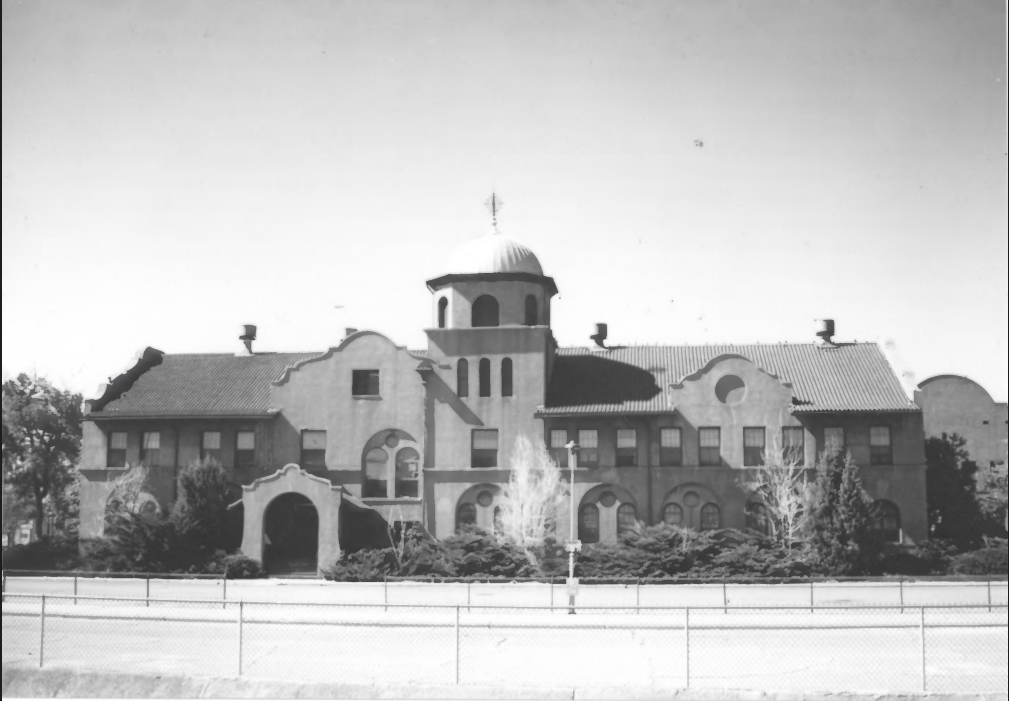
One building stood through nearly all of it: the company’s original headquarters, which is still standing on Canal Street more than a century later, even as the mill’s blast furnaces and much of the earlier machinery around it were phased out and rebuilt.
William Jackson Palmer Builds a Steel Mill at Pueblo
The story begins with William Jackson Palmer, the Civil War general who founded both the Denver and Rio Grande Railroad and the city of Colorado Springs.
Palmer envisioned an integrated industrial operation controlling every stage of steel production, from coal mine to finished rail. In 1880 he began building a mill on the prairie south of Pueblo, in a town he laid out specifically to house it and named Bessemer, after the steelmaking process.
Palmer’s company, the Colorado Coal and Iron Company, would go on to operate what became one of the largest steel plants in the country.
Colorado Fuel and Iron and the First Steel Mill West of the Mississippi
Palmer’s company merged with John C. Osgood’s Colorado Fuel Company in 1892 to form Colorado Fuel and Iron. By then, shareholders had already pushed Palmer out over concerns about how the company was being run, and Osgood took over as the new firm’s leader.
The combined company operated out of Pueblo’s Minnequa Works, home to the first integrated steel mill west of the Mississippi River, which had begun rail production a decade earlier in 1881 and 1882.
Osgood himself was eventually squeezed out too, and by 1903, control of the company had passed to John D. Rockefeller and the financial heirs of Jay Gould, tying one of Colorado’s largest industrial employers directly to the country’s most famous industrialist.
The Ludlow Massacre and CF&I’s Company Towns
CF&I operated its Colorado coal camps much like the mill towns of the industrial Midwest and Northeast, complete with a company-owned store, the Colorado Supply Company, and worker housing built around the mill itself.
That company-town system reached a breaking point on April 20, 1914, when Colorado National Guard troops and CF&I-hired guards attacked a tent colony of roughly 10,000 striking coal miners near Ludlow, Colorado.
Twenty-five people were killed, including eleven children. The Ludlow Massacre remains one of the deadliest events in American labor history.
The Minnequa Steel Works Office Building, Built 1901-1902
The Minnequa Steel Works Office Building and Dispensary, a Mission and Spanish Revival-style structure designed by the architectural firm of Stickney and Sterner, had already been standing for over a decade by the time of the massacre.
In this same building, CF&I later adopted and implemented its Employee Representation Plan, the company’s direct policy response to Ludlow, an early and controversial experiment in what became known as company unionism.
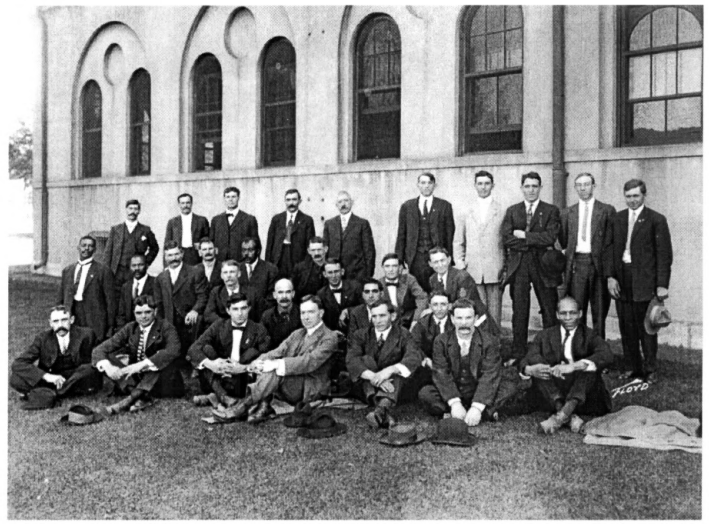
John D. Rockefeller Jr. personally visited the building on October 3, 1915, to introduce the plan to a group of employee representatives and management. The gathering was photographed and later published in CF&I’s own Industrial Bulletin, which translated Rockefeller’s remarks into English, Italian, Greek, and Spanish for the mill’s multilingual workforce.
The office building was individually listed on the National Register of Historic Places in 2002 and designated a National Historic Landmark in 2021.
Pueblo’s Steel Industry Today
CF&I itself didn’t survive the century. Foreign competition hit the company hard in the 1980s, and it declared bankruptcy in 1990. What remained was bought by Oregon Steel Company and reduced to a much smaller operation, Rocky Mountain Steel Mills, which Evraz acquired in 2007. The mill’s original blast furnaces, the technology that had made Pueblo the ‘Pittsburgh of the West’ in the first place, no longer stand.
These days, steel is made entirely through electric arc furnace technology, melting down recycled scrap rather than smelting raw ore. The modern process produces roughly 75% fewer carbon emissions than the old blast-furnace method.
The mill is also powered largely by its own on-site solar array, Bighorn Solar, whose 750,000 panels supply up to 95% of the plant’s electricity, making it the largest solar-powered steel mill in the world.
At its 1972 peak, the mill employed more than 6,000 workers. Today’s workforce is a small fraction of that, but the plant remains the largest rail producer in North America, still supplying the same industry it began serving in 1881.
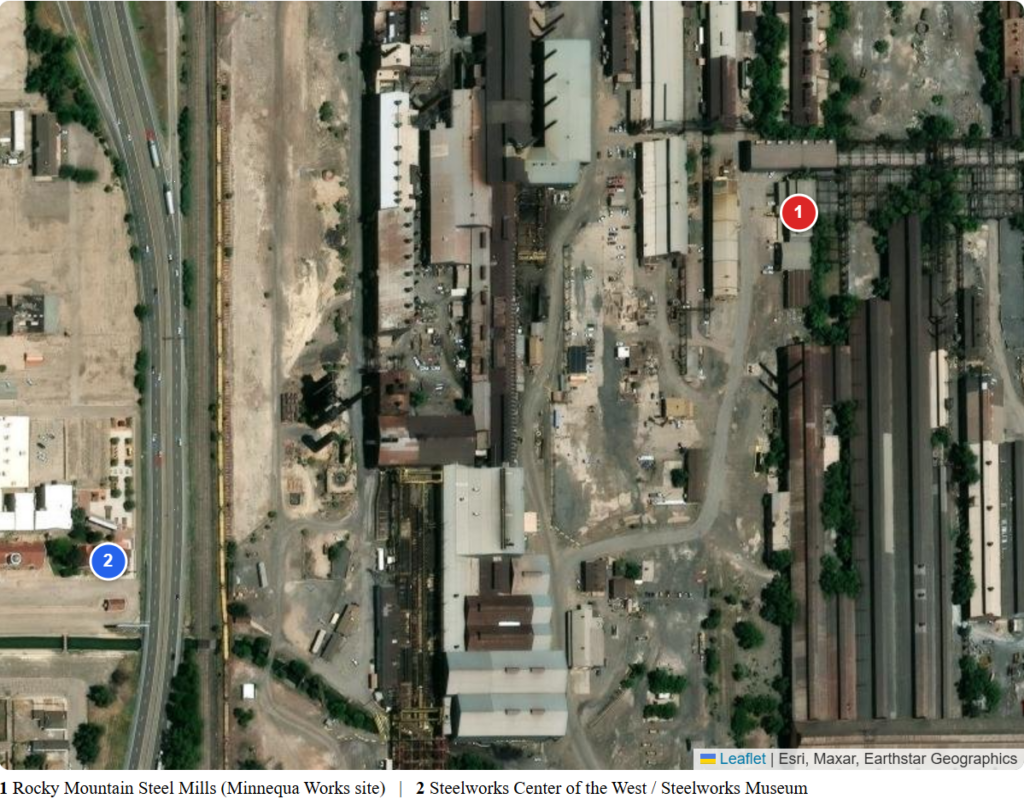
The Minnequa office building itself has taken on a different role, however. Since 2007 it has housed the Steelworks Museum of Industry and Culture, operated by the Steelworks Center of the West. It tells the story of the company and the workers whose labor built Pueblo’s identity as a steel town worthy of its old namesake some 1,500 miles to the east.
Sources
Colorado Encyclopedia, “William Jackson Palmer”
Colorado Public Radio, “New Film Covers Tumultuous History Of A Colorado Industrial Giant”